


Vacuum cleaner bags are an essential component in the maintenance of cleanliness and hygiene in our homes and workplaces. These bags play a crucial role in trapping dust, allergens, and debris that a vacuum cleaner collects, ensuring that the air remains as clean as possible during and after the cleaning process. With various types of vacuum cleaner bags available on the market, understanding their differences can help consumers make informed choices that suit their cleaning needs and the specific requirements of their vacuum models.
In this article, we will explore the different types of vacuum cleaner bags, highlighting the benefits and drawbacks of each. From disposable paper bags to reusable cloth options and HEPA filters, we will also discuss best practices for maintaining your vacuum cleaner and maximizing its efficiency. Whether you’re a seasoned cleaning enthusiast or a first-time buyer, this comprehensive guide aims to enhance your knowledge and assist you in selecting the right vacuum cleaner bag for optimal performance.
Types of Vacuum Cleaner Bags
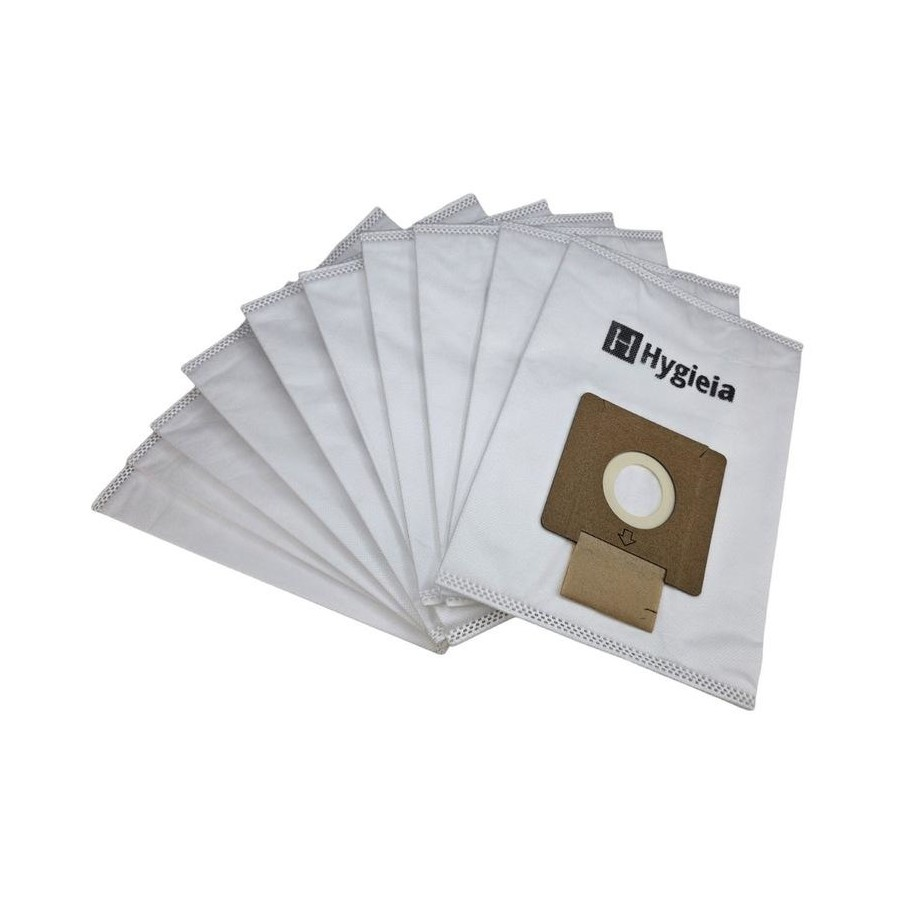
The most common types of vacuum cleaner bags include disposable paper bags, reusable cloth bags, and HEPA bags. Disposable paper bags are convenient and generally effective at trapping dust and allergens. However, they can fill up quickly, requiring frequent replacement. Reusable cloth bags offer a more eco-friendly solution, as they can be washed and used multiple times, but they may require more maintenance to keep them free of dust accumulation. HEPA bags, on the other hand, are designed to capture finer particles, making them ideal for individuals with allergies or asthma. When shopping for vacuum bags, it’s essential to consider compatibility with your vacuum model and the specific cleaning tasks at hand. For an extensive selection of these options, check out Vacuum Cleaner Bags In AU.
Best Practices for Maintenance
Maintaining your vacuum cleaner and its bags is crucial for ensuring optimal performance. Regularly replacing disposable bags, cleaning reusable cloth bags, and checking for clogs in the hose or filter can significantly enhance your vacuum’s efficiency. It’s also advisable to empty the dust container or replace the bag when it’s about three-quarters full to prevent airflow issues. Additionally, consulting the manufacturer’s guidelines will help you adhere to specific maintenance schedules, ultimately extending the lifespan of your vacuum cleaner and its components.
In conclusion, choosing the right vacuum cleaner bag and adhering to best maintenance practices can profoundly impact the effectiveness and longevity of your vacuum cleaner. By understanding the various types of vacuum bags and their respective advantages, you can make a more informed decision that aligns with your particular cleaning needs. Whether you prefer the convenience of disposable paper bags, the sustainability of reusable cloth options, or the superior filtration of HEPA bags, ensuring proper maintenance will ensure that your vacuum remains a reliable ally in keeping your living or working space clean and allergen-free. Prioritizing these practices not only enhances your cleaning experience but also contributes to a healthier environment for you and your loved ones.